Pillar one
Orphans and street children
Somewhere tonight a child is working out which doorway is safest to sleep in. Not a statistic. One child. A name. A favourite colour. A plan for the night.
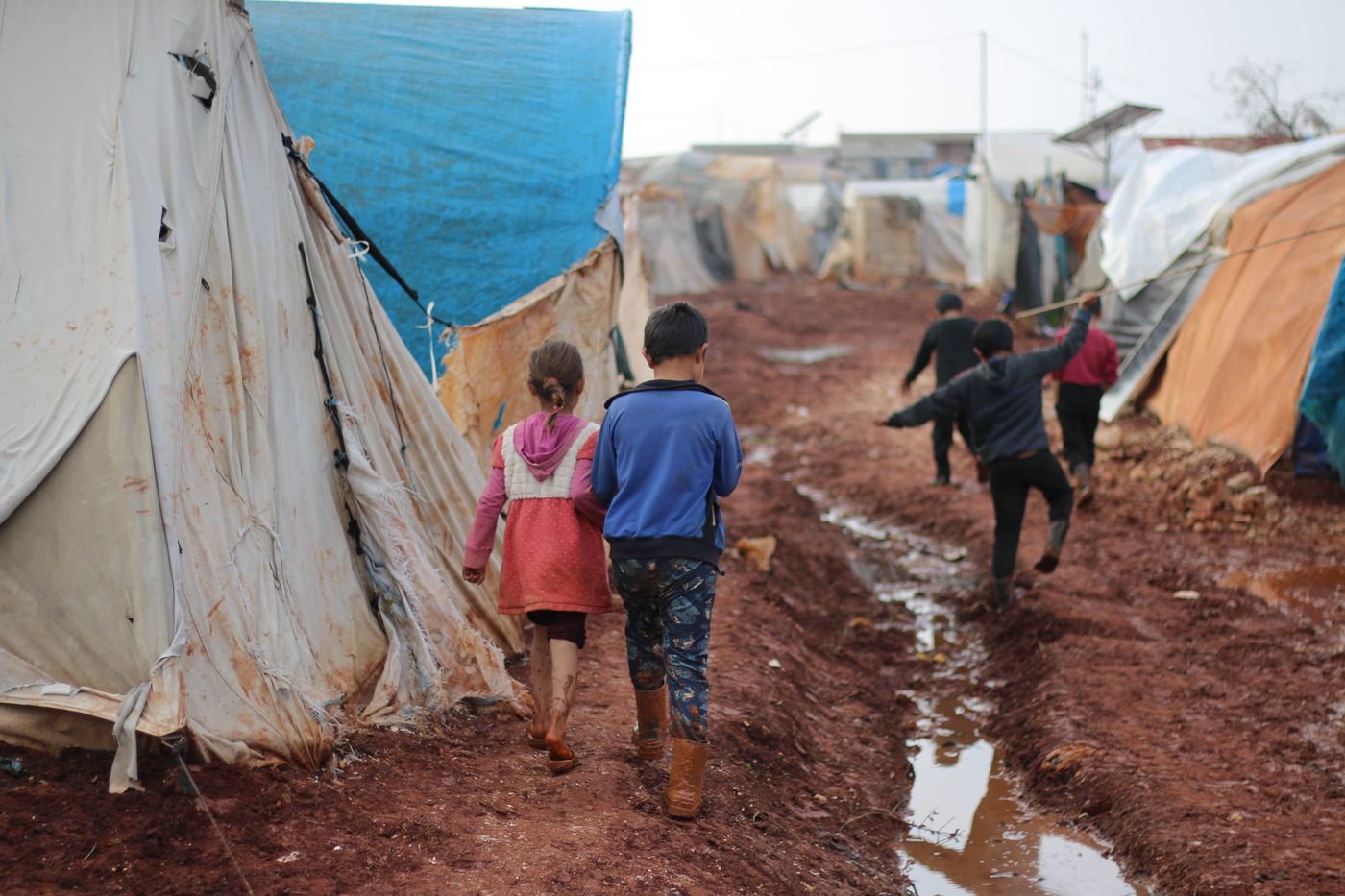
Photo: Ahmed Akacha, via Pexels. Children shown from behind, to protect their dignity.
More than five million children live in institutions right now, and most of them are not orphans. Around eight in ten have a living parent who could not keep them, because of poverty, illness, or nobody to help. Many more live on the streets.
What the evidence shows
The only proper scientific test ever run on this followed 136 children in Romania for twenty years. It showed that growing up in an institution physically changes a child’s brain, and that a real family, early, gives most of it back. Not all. Most. The earlier a child gets a family, and the longer they keep it, the better they do.
And when a young person is sent out alone at eighteen, studies find between a third and a half are homeless by twenty-six. That is not because they are broken. It is because we handed them a life with no family behind it and called it independence.
We are not building an orphanage. We build family.
- Each home is tied to a community hall, so a child stays part of a community instead of being locked away from one.
- In the hall, children who need a home, young people at risk, and elders meet first. When a real bond forms between an elder and a child, they share a home.
- No more than two or three young people live with one elder or elder couple. A household, not a dormitory.
- Every orphan has their own bedroom and bathroom, all the same size, so no child learns jealousy from the walls.
- Emergency buttons beside every bed, wired to a hospital.
- Every child is helped to find what they are naturally good at, with a solid grounding in maths, physics and a language.
Recorded so far. This number starts at zero and only moves when something has really happened.
Sources: Desmond et al., The Lancet Child & Adolescent Health, 2020 (about 5.37 million children in institutions). Living parent: Lumos Foundation; Hope and Homes for Children. Romania: Bucharest Early Intervention Project, Nelson et al., Science, 2007. Homelessness after leaving care: Dworsky, Napolitano and Courtney, American Journal of Public Health, 2013 (31 to 46 per cent).
Share this with one person
One share is how this reaches someone we cannot. Every button is free to use.
Find us: Website · GoFundMe · Ebook bundle